I built a level editor for Dungeon Wipe, carried upgrades from 3D into 2D in Exile, and I’m building networked combat in Bencci. My team projects and balance research are here too.
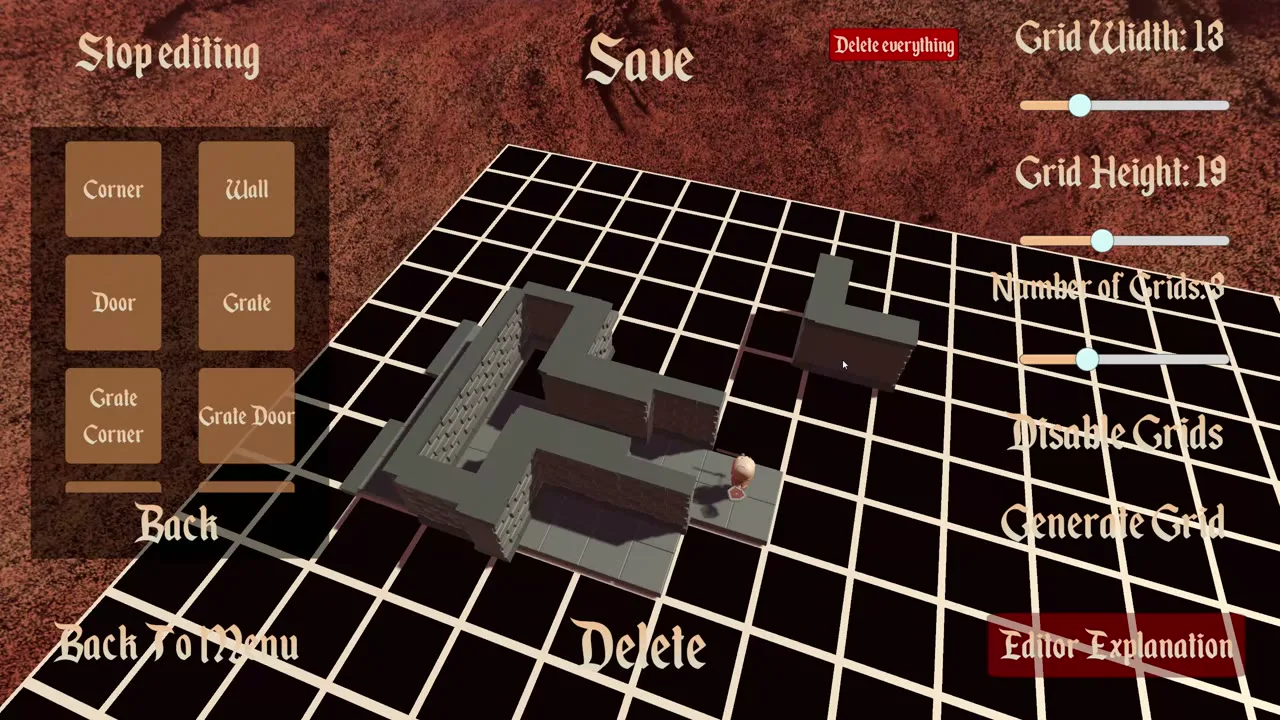
Custom editor used to author and save dungeon layouts.
Solo Project
BSc final project
research prototype
2024
Playable in browser
Windows build
source available
I built a level editor with 26 prefab types so I could test dungeon layouts without rebuilding the game. Save a layout as JSON and the game rebuilds the level and its enemy navigation. I also designed the combat and adaptive healing used in my first-author ICEC 2024 paper.
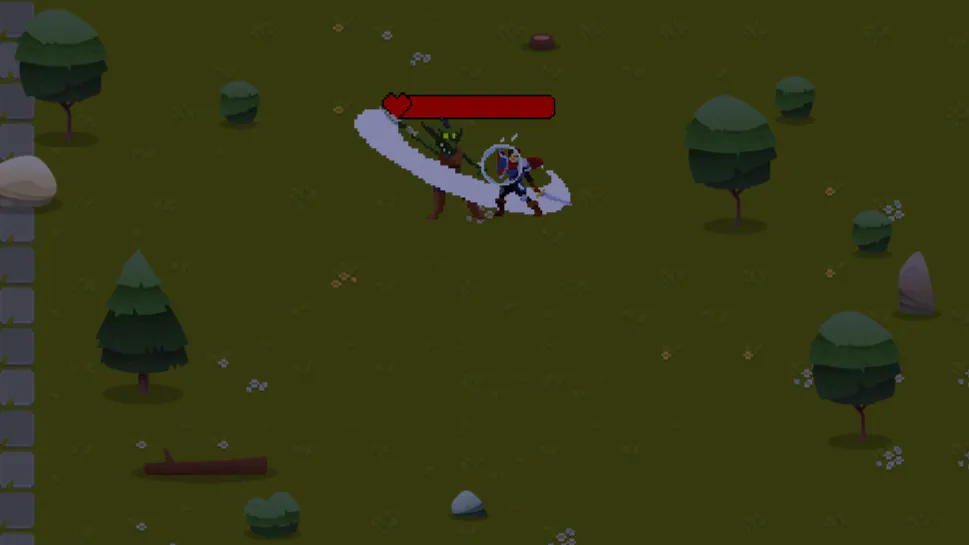
The 2D night phase turns daytime preparation into direct defensive combat.
Solo Project
university project
2023
Windows build
Android APK
source available
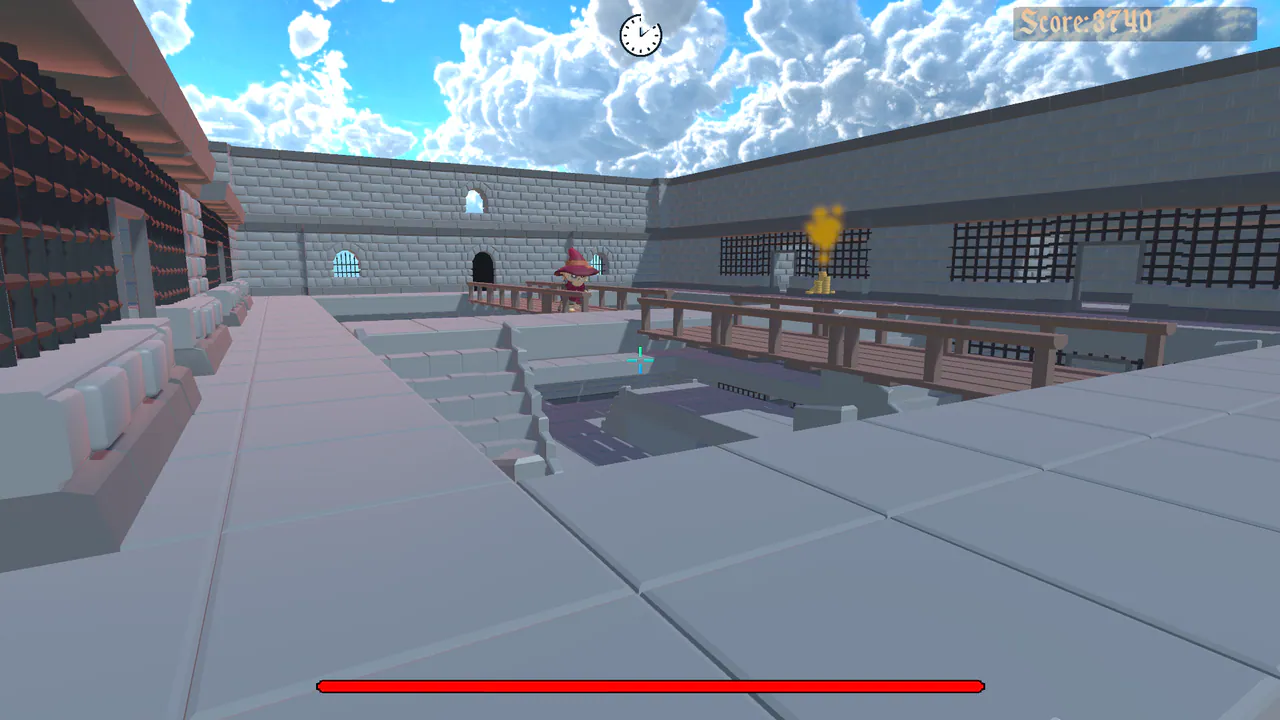
Build a Mine by day and its iron can pay for a sword upgrade you’ll use in the 2D night fight. I built the 3D preparation and 2D combat scenes around the same saved progress. Exile was my first real game project, and I built it for Windows and Android.
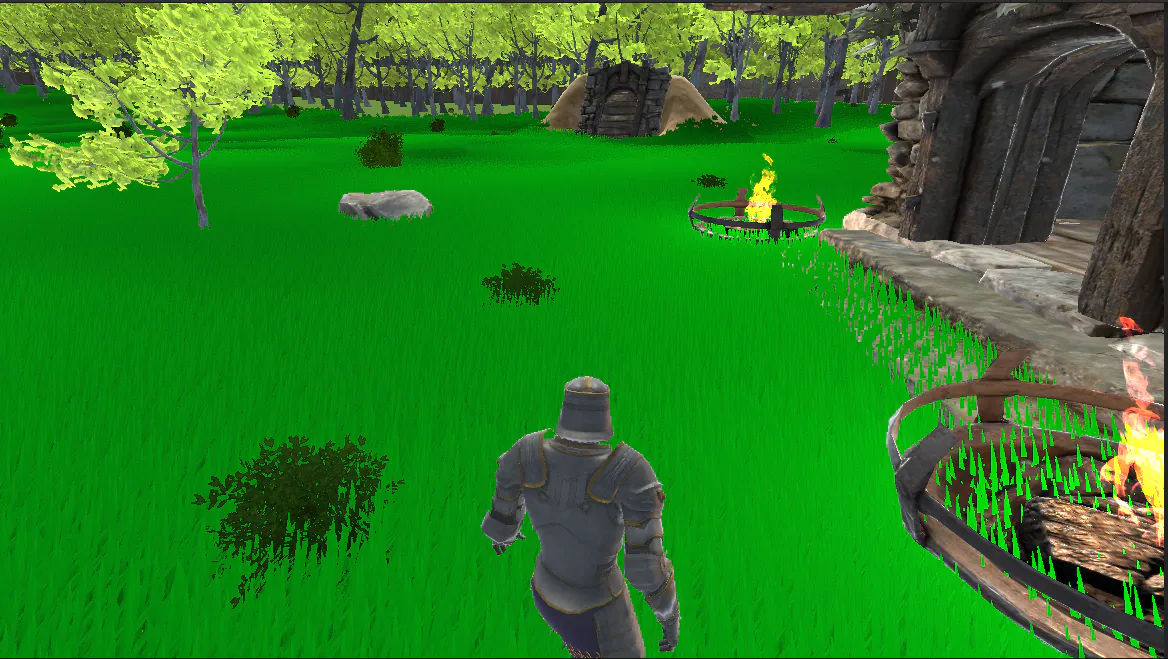
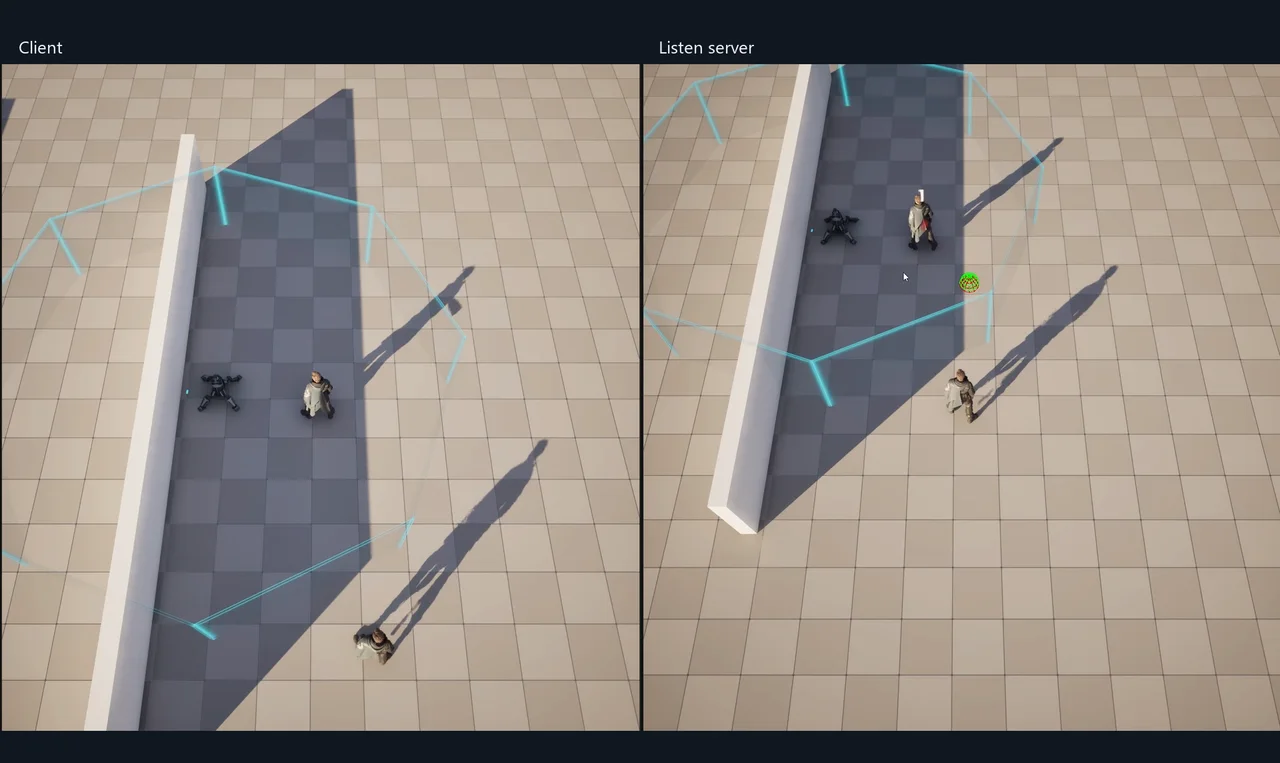
I’m building a networked arena game in Unreal/C++. I programmed Deadeye’s ricocheting shot and built player state that survives character replacement between Duo battles.
I read what Riot wanted to change, then looked for that change in the match data. For Diana’s jungle clear, I compared neutral monsters killed at 10 and 30 minutes. The October manuscript compares patches 25.20 and 25.21 using 2,885 observations across twelve champions in 2,486 matches.
I co-implemented the player controller and built the configurable oxygen base in an eight-person jam team. As the base loses energy, I shrink its visible bubble and 2D collider together so players can see where the safe area ends.
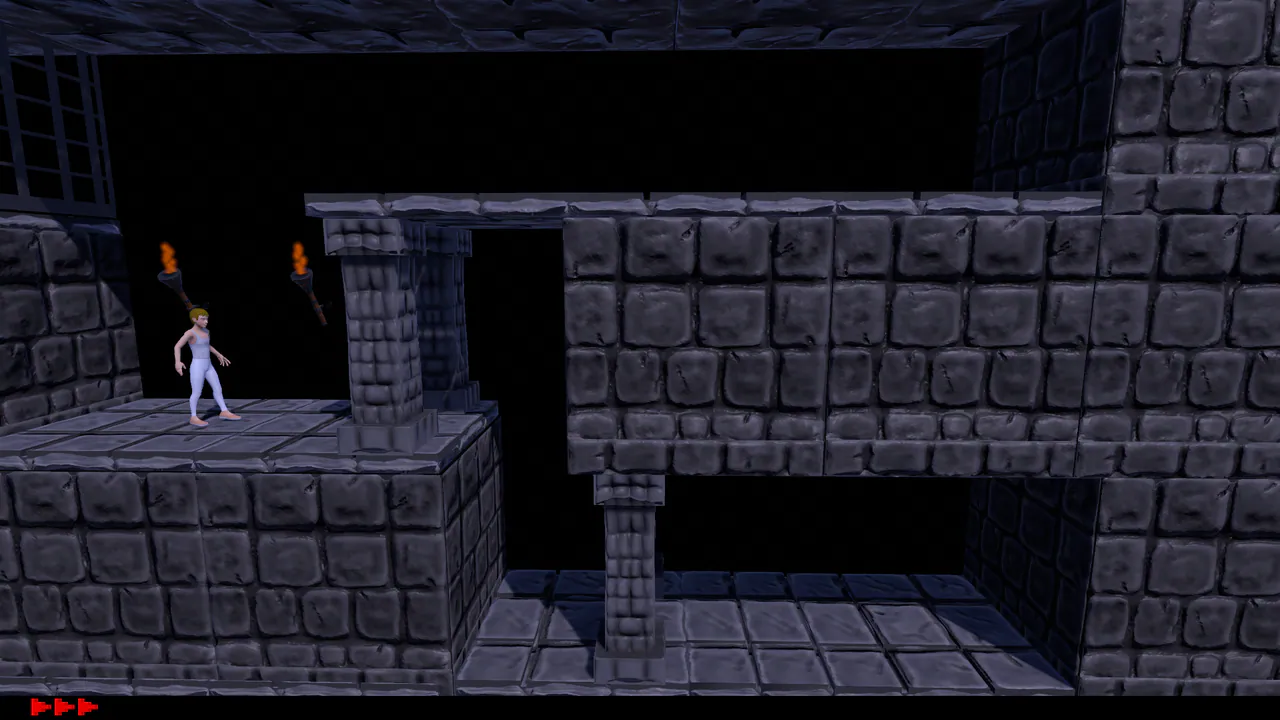
I recreated the first Prince of Persia level as a side-view 3D scene in Unity. Getting ledge grabs to feel right took the most work. I replayed the original for timing and placed triggers to tell the character where to grab, which way to face and where to stand after climbing.
I programmed movement and dialogue for our six-person jam game set in Óbidos. I wired the dialogue and events in order so the player could build relationships, get inside the town and work towards opening its doors.
I designed the story and clue progression for our three-person time-loop mystery. I used the characters’ daily routines as clues, so a conversation can make more sense the second time you hear it. My teammates programmed the game and made the 2D art.
I set two microphone thresholds to tell speaking from blowing, then used them to change the candle, wind and light radius. I programmed the movement, enemy behaviour and puzzle state for the Windows build. My teammates made the art.
I programmed this three-person team’s bureaucracy game. Skip a day on the calendar and the game checks which calls and tasks are now due. I used ScriptableObjects to keep the email, phone and taskboard working from the same schedule.
I built booking screens and API logic in a five-person academic team. When someone picks a time, the API checks for a conflict before saving the appointment. Payment and chat use that same appointment. I also wrote controller tests and set up the Azure deployment. The prototype uses fictional data.
I built the Angular service and practitioner pages so visitors could read them on a phone and go straight to booking. The public links went to Google Forms, and I built a separate validation prototype in Angular. The repository shows that earlier version. The later client site is offline.