Player controller and oxygen systems

O2D

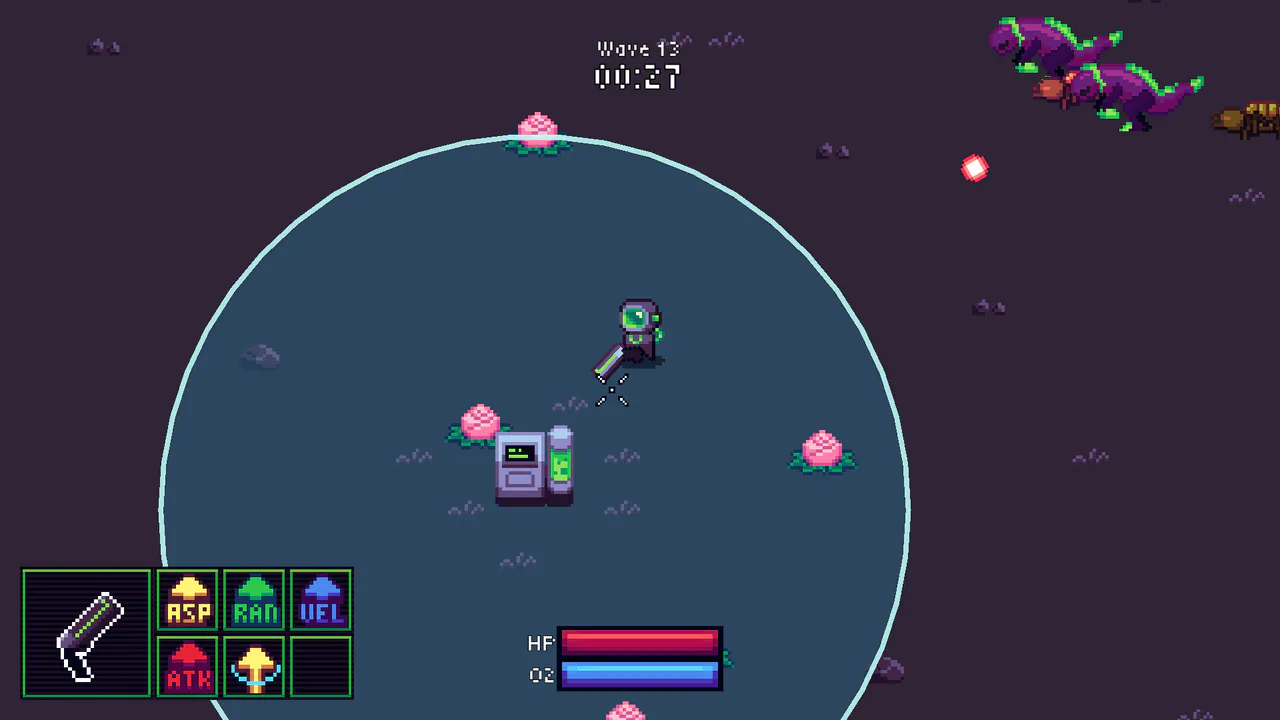
I co-implemented the player controller and built the configurable oxygen base in an eight-person jam team. As the base loses energy, I shrink its visible bubble and 2D collider together so players can see where the safe area ends.
Role
Programmer
Context
  • Eight-person team
  • four programmers
  • GN! Game Jam #15
Period
November 2024
Status
  • Completed game-jam project
  • playable Windows builds
  • Unity 6
  • C#
  • Unity Input System
  • ScriptableObjects
  • Jira
  • Miro
O2D top-down action gameplay on an alien planet
The oxygen survival loop in the team jam build. I co-implemented the controller and built the configurable oxygen base.

My role

O2D was created for GN! Game Jam #15 by an eight-person team spanning project management, game design, programming, and art.

Role: Programmer. I co-implemented the player controller and oxygen loop within the eight-person team.

My contribution

  • Co-implemented the Input System player controller, including movement, dash, teleport and clone abilities with cooldowns.
  • Connected health and oxygen events to UI updates so interface feedback could follow the current player state.
  • Implemented the oxygen base and its ScriptableObject configuration. Changing energy updates both the visible radius and the matching 2D collider.

Design decisions

One oxygen value, matching feedback
I connected the base’s energy to its bubble and collider so the visible oxygen area and its gameplay boundary change together. The wider survival and upgrade design belonged to the team.

What was hard

Coordinating eight contributors within a five-day jam window.
The team used defined roles and documented tools including Jira and Miro while integrating a tightly scoped playable loop.

Outcome and evidence

Our eight-person team submitted the Windows build before the deadline. We later released an update after a player reported a collision bug.

  • The public release provides the jam build and a post-jam Windows update. My source contributions cover the controller, cooldowns, oxygen configuration and UI events.

Team credits

  • I was one of four programmers in the eight-person team. Overall game design, project management and art had separate contributors.

What I learned

I learned to start with one energy value and let the bubble, collider and HUD read from it. That gave the four programmers on the team one place to look when something about the oxygen base changed.

Project media

O2D pixel-art item and oxygen-system banner
Team-created item and upgrade art. Overall game and weapon-upgrade design was shared team work.